
Essential Features to Look for in a School Backpack

Choosing the right backpack for school is more than just picking a design or color. A well-made backpack supports a student’s daily routine, protects their belongings, and even promotes good posture. With so many options available, knowing what features matter most can save time and ensure the backpack meets practical needs. This guide highlights the essential features to look for when selecting a school backpack.

Comfortable and Supportive Straps
One of the most important features is the shoulder straps. Look for wide, padded straps that distribute weight evenly across the shoulders. Thin straps can dig into the skin and cause discomfort, especially when carrying heavy books or a laptop.
Adjustable straps allow the backpack to fit snugly against the back, preventing it from swaying while walking. Some backpacks also include a chest or waist strap to provide extra support and reduce strain on the shoulders.
Durable Material and Construction
School backpacks face daily wear and tear, so durability is key. Choose backpacks made from strong materials like nylon or polyester that resist tearing and water damage. Reinforced stitching at stress points, such as where straps attach to the bag, extends the backpack’s lifespan.
Water-resistant fabrics protect books and electronics from rain or accidental spills. Some backpacks also feature a water-repellent coating for added protection.
Multiple Compartments for Organization
A backpack with several compartments helps keep school supplies organized and easy to find. Look for:
A main compartment large enough for textbooks and notebooks
A padded laptop sleeve or pocket to protect electronics
Smaller front or side pockets for pens, calculators, and snacks
Mesh side pockets for water bottles
Having designated spaces reduces clutter and prevents items from shifting inside the bag.

Size and Weight Considerations
The backpack should be the right size for the student’s body and daily needs. A bag that is too large can encourage overpacking, leading to unnecessary weight. Conversely, a backpack that is too small won’t fit all necessary items.
Lightweight backpacks reduce the overall load, making it easier to carry. When empty, the backpack should feel light but still sturdy enough to hold heavy books without sagging.
Safety Features
Safety is often overlooked but important. Reflective strips or patches on the backpack increase visibility during early morning or late afternoon walks. Some backpacks also include whistle buckles on straps for emergencies.
Bright colors or unique designs can help students stand out in crowded hallways or on the bus.
Easy-to-Clean Materials
School backpacks are exposed to dirt, spills, and weather. Choosing a backpack with materials that are easy to wipe clean or machine washable saves time and keeps the bag looking fresh.
Avoid fabrics that stain easily or absorb moisture, as these can lead to unpleasant odors or damage.
Style and Personal Expression
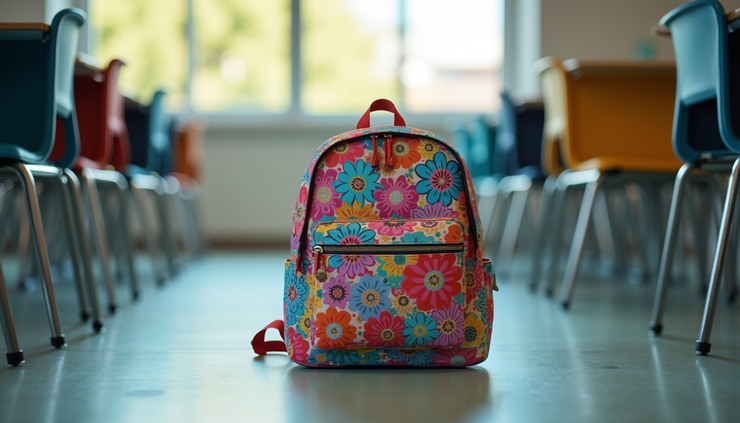
While function is critical, style matters too. Students often want a backpack that reflects their personality. Many brands offer backpacks in a variety of colors, patterns, and themes.
Choosing a backpack that a student likes encourages them to take care of it and feel confident carrying it every day.


Comments